|
|
In the field of materials analysis, X-ray Fluorescence (XRF) has become a widely used technique for non-destructive elemental analysis. Among the various XRF analyzer types, desktop XRF analyzers have gained popularity due to their compact size, ease of use, and affordability. In this article, we will delve into the world of desktop XRF analyzers, exploring their principles, applications, and benefits.
What is a Desktop XRF Analyzer?
A desktop XRF analyzer is a compact, benchtop instrument that uses X-ray Fluorescence to analyze the elemental composition of materials. It is designed to be compact, lightweight, and easy to operate, making it an ideal choice for laboratory and industrial applications. Desktop XRF analyzers typically consist of an X-ray source, a detector, and a sample chamber. The X-ray source emits a beam of X-rays, which excites the atoms in the sample, causing them to emit characteristic X-rays. The detector measures the intensity and energy of these X-rays, allowing the analyzer to identify the elements present in the sample.
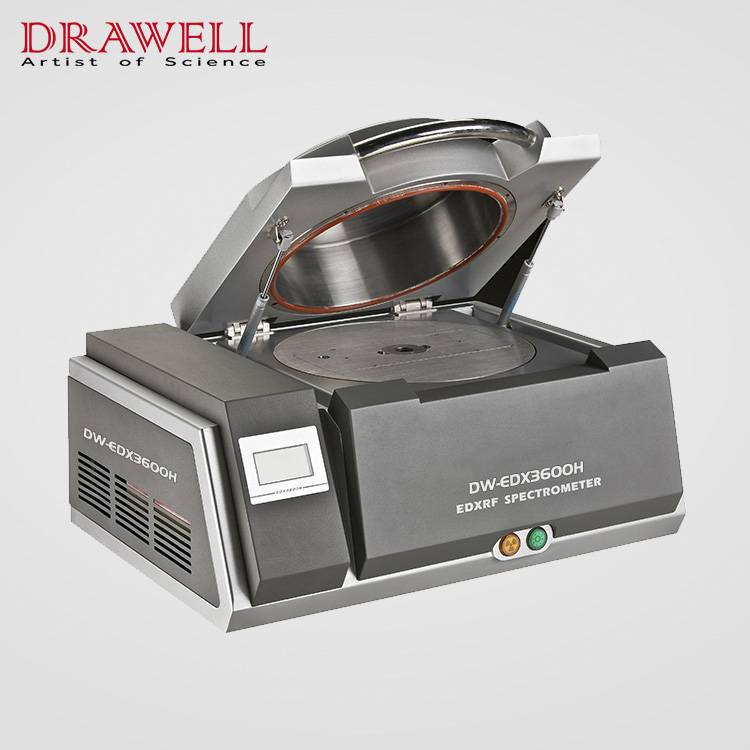
How Does a Desktop XRF Analyzer Work?
The working principle of a desktop XRF analyzer is based on the phenomenon of X-ray fluorescence. When a sample is placed in the sample chamber, it is exposed to a beam of X-rays. The X-rays interact with the atoms in the sample, causing them to emit characteristic X-rays. The energy of these X-rays is unique to each element, allowing the analyzer to identify the elements present in the sample.
The process of XRF analysis involves several steps:
Sample preparation: The sample is prepared by grinding or crushing it into a fine powder.
Sample loading: The sample is loaded into the sample chamber of the desktop XRF analyzer.
X-ray excitation: The X-ray source emits a beam of X-rays, which excites the atoms in the sample.
X-ray fluorescence: The atoms in the sample emit characteristic X-rays, which are measured by the detector.
Data analysis: The detector measures the intensity and energy of the X-rays, allowing the analyzer to identify the elements present in the sample.
Applications of Desktop XRF Analyzers
Desktop XRF analyzers have a wide range of applications in various industries, including:
Materials science: Desktop XRF analyzers are used to analyze the elemental composition of materials, such as metals, alloys, and ceramics.
Environmental monitoring: Desktop XRF analyzers are used to analyze environmental samples, such as soil, water, and air, to detect pollutants and contaminants.
Food safety: Desktop XRF analyzers are used to analyze food samples to detect harmful elements, such as heavy metals.
Pharmaceuticals: Desktop XRF analyzers are used to analyze pharmaceutical samples to detect impurities and contaminants.
Quality control: Desktop XRF analyzers are used in quality control applications to analyze the elemental composition of materials and products.
Benefits of Desktop XRF Analyzers
Desktop XRF analyzers offer several benefits, including:
Compact size: Desktop XRF analyzers are compact and lightweight, making them ideal for laboratory and industrial applications.
Ease of use: Desktop XRF analyzers are easy to operate, even for users without extensive training.
Affordability: Desktop XRF analyzers are more affordable than larger XRF analyzers, making them accessible to a wider range of users.
Fast analysis: Desktop XRF analyzers can analyze samples quickly, allowing for rapid identification of elements.
Non-destructive analysis: Desktop XRF analyzers do not damage the sample, making them ideal for the analysis of valuable or rare materials.
|
|




 发表于 2024-8-15 11:11:11